
Two Processes. One Complete
Production Story.
From pulping to loading, we control every step in-house — through both of molded pulp’s core processes. Whatever your product needs, we make the packaging for it under one roof.
Two Routes, One Sustainable Packaging
Both processes start with the sustainable material — they simply take different paths to give you different surface, strength and cost profiles.
Dry Pressed
Vacuum-formed, dried, and hot-pressed — the classic, natural molded pulp look at the most economical cost.
- Economical tooling & fast mass production
- Breathable, natural fiber finish
- Ideal for high-volume standard trays
Typical use: Electronic component packaging, fragile item trays, wine trays, transportation protection trays etc.
Wet Pressed
Pressed in matched molds under high pressure and heat — packaging that is smooth, dense and precisely detailed.
- Premium finish with crisp edges & thin walls
- White pulp and food-contact options
- Precision fit for valuable products
Typical use: electronics trays, cosmetic inserts, white food-service packaging, premium retail
Dry Pressed — Production Steps
Eight controlled steps, from fiber to finished tray.
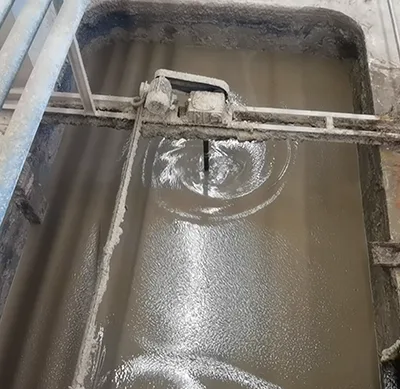
Pulping
Fiber and water become a clean, consistent slurry.
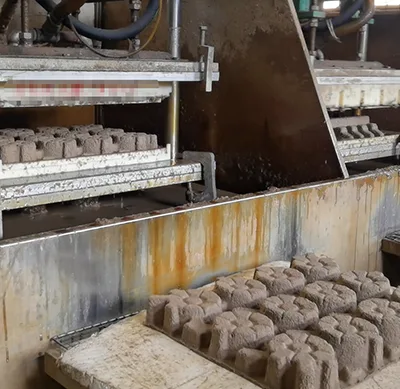
Suction & Shaping
Vacuum draws pulp onto mesh molds into wet tray shapes.
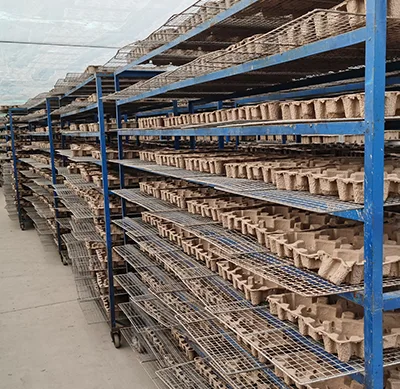
Drying
Hot-air drying locks in strength and dimensional stability.
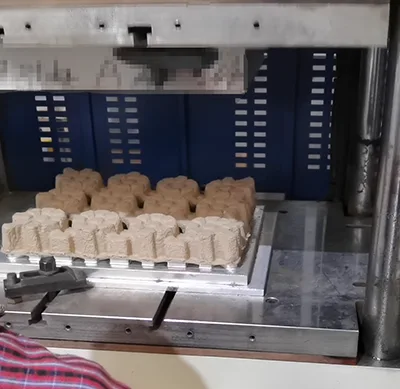
Hot Press Shaping
Heat and pressure refine surfaces, edges and precision.
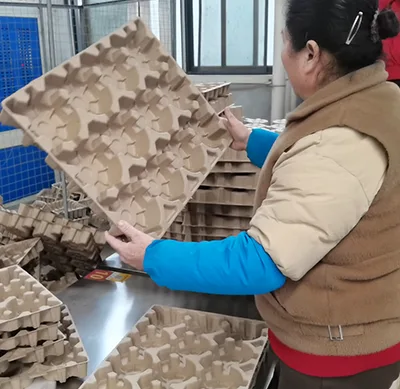
QC
Every batch checked for dimension, strength and finish.
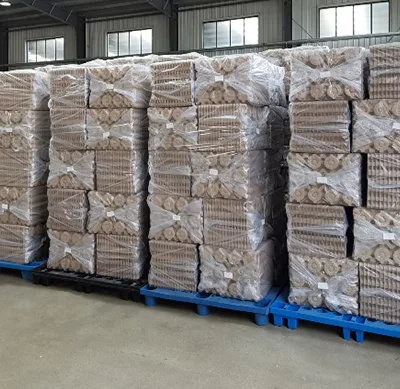
Plastic Bag Packing
Clean, dust-free bagging for storage and transport.
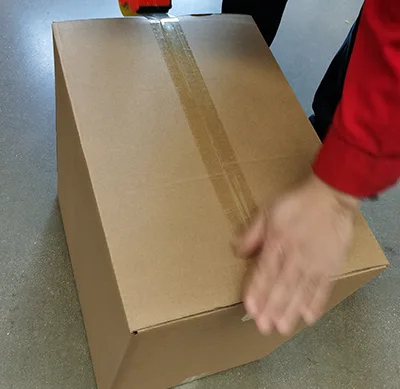
Paper Carton Packing
Optional corrugated cartons for extra protection.
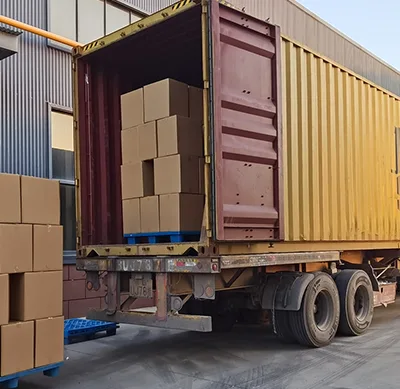
Loading
Palletized, container-loaded, delivered on schedule.
Wet Pressed — Production Steps
Eight controlled steps toward a smooth, precise finish.
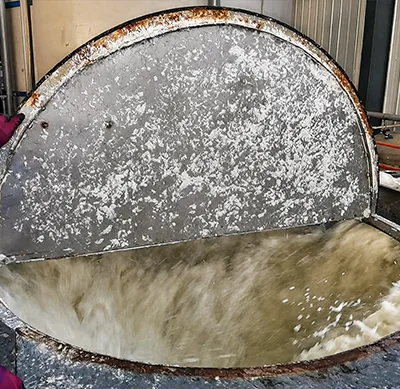
Pulping
Finer refining for smoother, purer pulp.
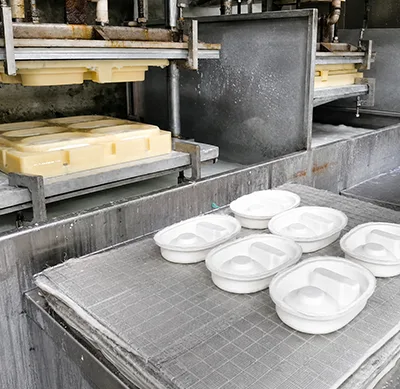
Molding
Pulp formed on molds into uniform preforms.
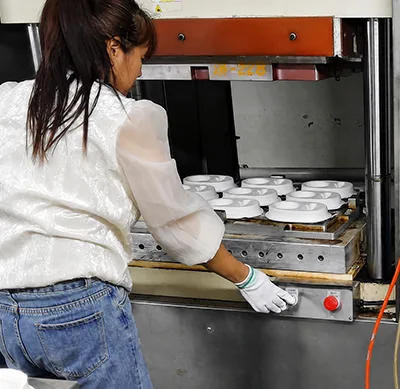
Thermal Forming
Heated-platen pressing densifies fibers for a smooth finish.
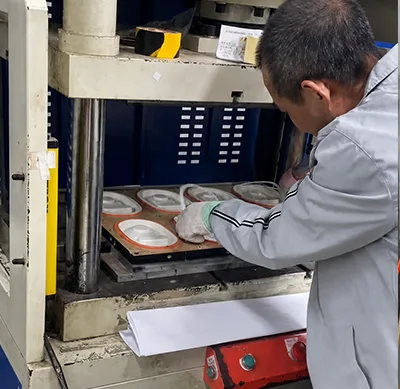
Cutting Edge
Edges trimmed clean and exact in the cutting press.
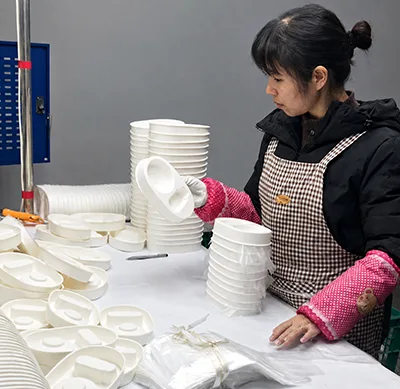
QC
Surface, dimension and strength verified by hand.
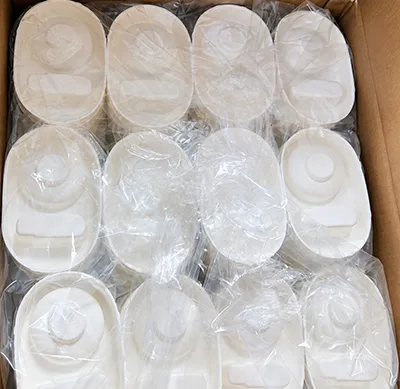
Plastic Bag Packing
Each piece individually protected, dust-free.
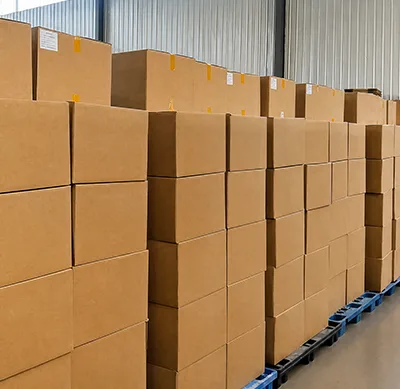
Paper Carton Packing
Packed in paper cartons and sealed.
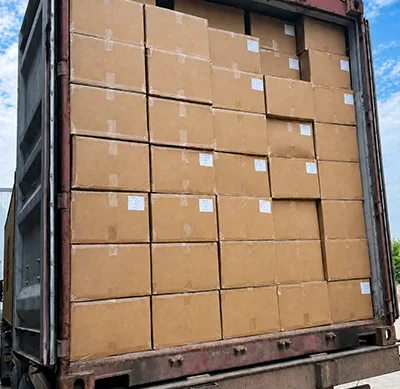
Loading
Container loaded and on the road, on time.
Dry Pressed vs Wet Pressed — Side by Side
A quick guide to choosing the right route for your product.
| Criteria | Dry Pressed | Wet Pressed |
|---|---|---|
| Touch & feel | Natural, with a rough texture | Smooth and silky premium touch |
| Look & first impression | Genuinely natural | Clean and refined |
| Colour consistency | Different batches are greatly influenced by the source of raw materials. | Each batch is less affected by the source of raw materials. |
| Detail & precision | Simple, rounded forms | Fine grooves, crisp edges and slim-fit details |
| Hand feel | Pliable, cushioning, compressible | Firm, rigid, board-like |
| Unboxing & display | Rustic eco look for everyday scenes | Premium showcase look for retail & gifts |
| Branding options | Natural surface, great plain or with labels | Smoother surface suits printing & finer labels |
| Speed & volume | Very high production speed | Medium-high, more process stages |
| Tooling investment | Lower | Higher |
| Best suited for | Electronic component packaging, fragile item trays, wine trays, transportation protection | Precision electronics trays, cosmetic inserts, white food-service packaging |
| Sustainability | Both are recyclable, biodegradable & compostable |
Pick the Right Process in Three Questions
1
What is your product?
Send us the item, drawing or sample — geometry and fragility point us to the right process.
2
Surface or strength?
Need a natural look at high volume? Go dry. Need smooth, dense, precise? Go wet.
3
What is the usage scenario?
We will provide reasonable suggestions based on the specific usage scenarios of the packaging.
Good to know: the same industry is often served by both processes. Please provide us with the details of your product or your idea. Our engineers will recommend the best route for you.
Have a Product in Mind?
Tell us what you are packing — we’ll recommend the process, share samples and provide a tailored quote within one working day.