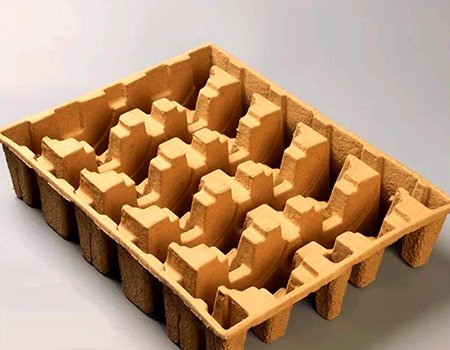
Molded pulp offers several advantages and comparisons to other packaging materials.
Here’s a comparison of Molded pulp with commonly used packaging materials:
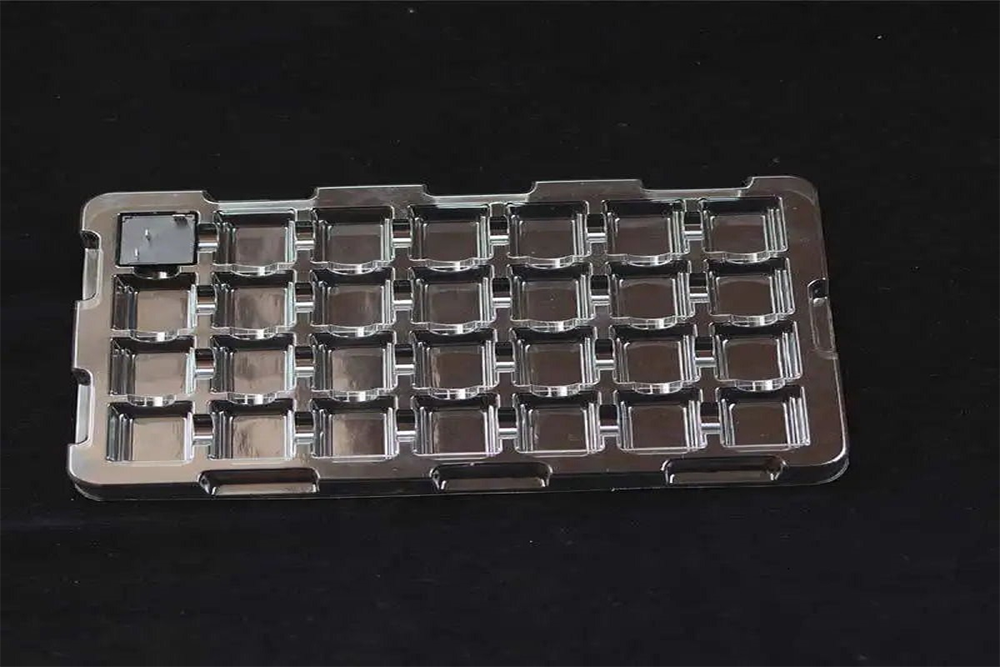
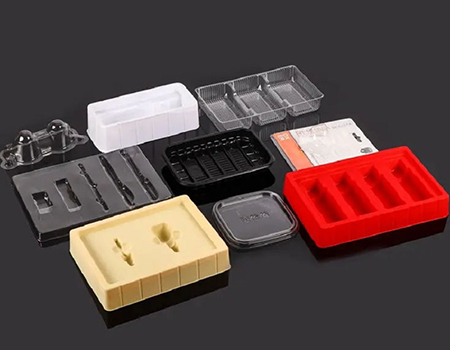
Plastic:
Environmental impact: Molded pulp is more environmentally friendly than plastic. Unlike plastic, which is derived from fossil fuels and takes hundreds of years to decompose, Molded pulp is made from recycled plant fiber and is 100% biodegradable, compostable, and recyclable.
Sustainability: Molded pulp promotes sustainable practices by utilizing recycled materials and reducing waste. Plastic, on the other hand, contributes to issues like pollution, marine debris, and microplastic contamination.
Customizability: Both plastic and Molded pulp offer customization options, but Molded pulp allows for versatile designs, shapes, and sizes, making it suitable for various product types.
Protective properties: Both materials provide protective properties, but Molded pulp’s shock absorption and cushioning capabilities are comparable to or sometimes even superior to plastic.
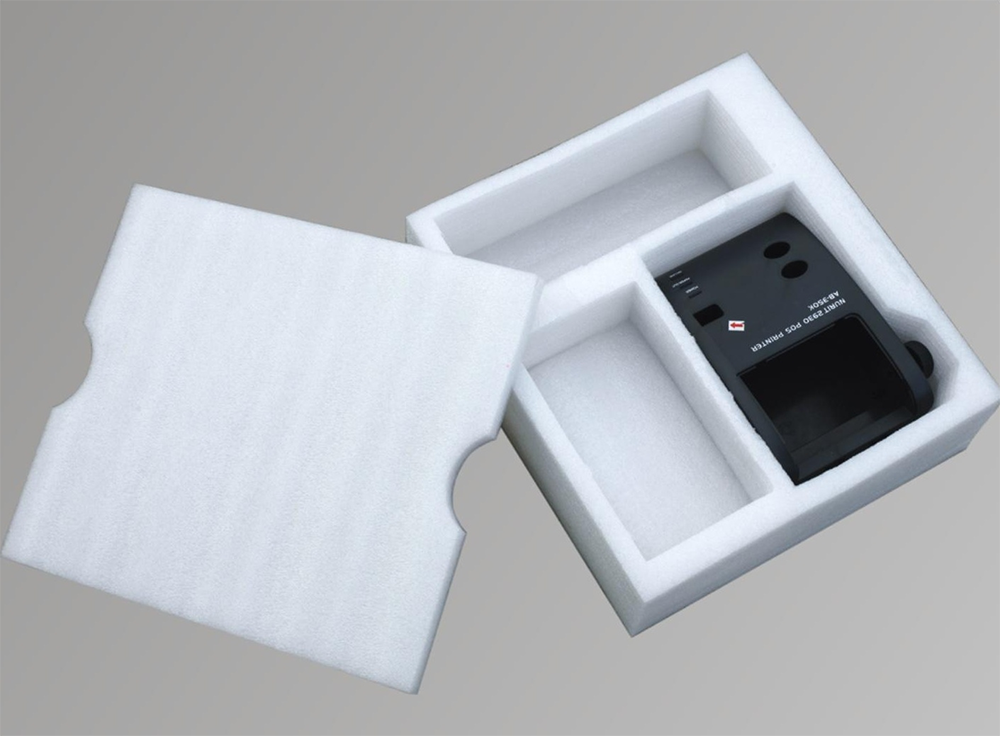
Styrofoam (Expanded Polystyrene):
Environmental impact: Molded pulp is more environmentally friendly than Styrofoam. Styrofoam is not biodegradable and can persist in the environment for thousands of years. Molded pulp , being biodegradable and compostable, reduces waste and pollution.
Renewable sourcing: Molded pulp uses recycled paper, bagasse ,bamboo,straw etc while Styrofoam is derived from non-renewable petroleum-based sources.
Insulation properties: Styrofoam is known for its excellent insulation properties, but Molded pulp can offer comparable insulation in certain applications, such as food containers and packaging for fragile items.
Customizability: Molded pulp provides more flexibility in design and customization compared to Styrofoam, allowing for unique shapes and sizes.
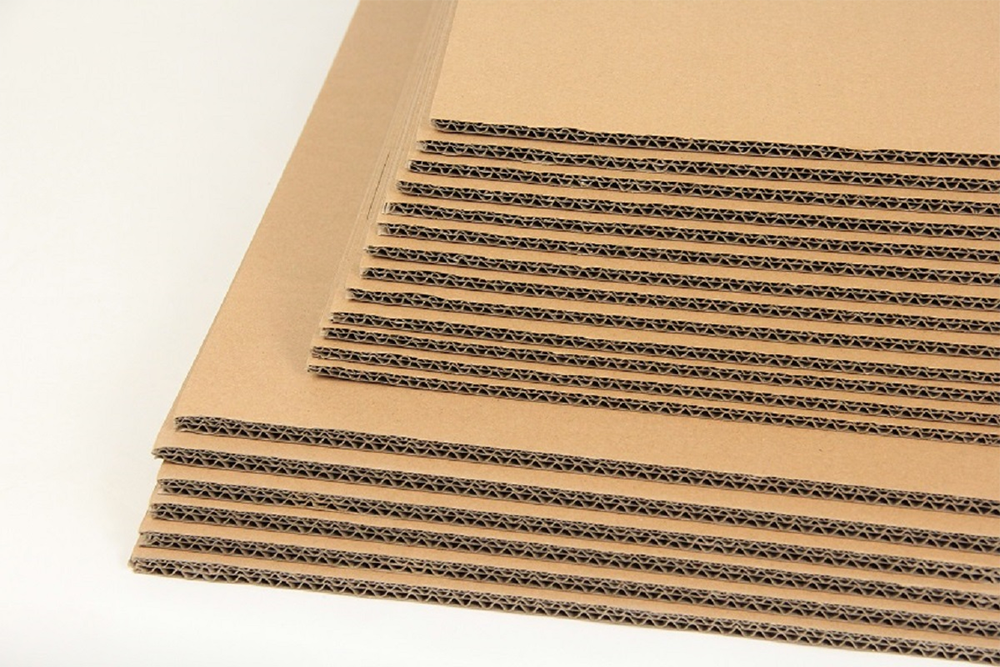
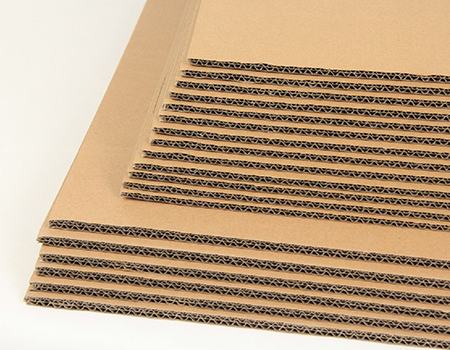
Cardboard/Paperboard:
Environmental impact: Molded pulp and cardboard/paperboard both have positive environmental impacts due to their use of recycled materials. However, Molded pulp has the added advantage of being biodegradable and compostable.
Protection: Molded pulp and cardboard/paperboard offer similar protection for goods. Both materials can be customized to provide cushioning and support during shipping and handling.
Versatility: Molded pulp and cardboard/paperboard are versatile materials suitable for a range of products. However, Molded pulp may offer more design possibilities due to its moldability.
Sustainability: Both materials contribute to sustainability by utilizing recycled content and reducing waste. However, Molded pulp’s biodegradability and compostability make it a more sustainable choice.
It’s important to note that the suitability of packaging materials depends on specific product requirements, regulations, and consumer preferences. Molded pulp stands out as an environmentally friendly option that offers customization, protection, and sustainability benefits when compared to plastic, Styrofoam, and cardboard/paperboard.